cross country ski pole sizing guide
Navigating cross-country skiing requires correctly sized poles for optimal performance and enjoyment. Understanding the nuances of pole length, considering technique and terrain, is crucial for skiers of all levels.
Why Proper Pole Length Matters
Selecting the appropriate cross-country ski pole length significantly impacts your skiing efficiency and overall experience. Incorrect pole length can lead to inefficient technique, increased fatigue, and even injury. Poles that are too short compromise your ability to generate power during the pole plant, hindering propulsion. Conversely, excessively long poles can disrupt balance and rhythm, making it difficult to maintain control, especially on varied terrain. Achieving the right length optimizes your stride, enhances power transfer, and ultimately allows you to ski with greater ease and enjoyment.
The Impact of Pole Length on Technique
Pole length directly influences cross-country skiing technique, affecting both classic and skate styles. Correct length facilitates proper arm swing and body positioning, maximizing power transfer with each pole plant. In classic skiing, appropriate length supports the diagonal stride, while in skate skiing, it’s vital for efficient V1, V2, and V2 alternate techniques. Improper length forces compensatory movements, leading to wasted energy and reduced control. Optimizing pole length allows skiers to maintain rhythm, generate speed, and navigate diverse snow conditions effectively.
Basic Pole Sizing Formulas
Several formulas aid in initial pole selection, primarily based on skier height. These provide a starting point, requiring adjustments for skiing style and individual preferences for optimal fit.
The Traditional Formula: Height x 0.83 ⎼ 0.89
The most commonly cited starting point for pole sizing involves multiplying a skier’s height (in centimeters) by a factor between 0.83 and 0;89. A lower multiplier, closer to 0.83, generally suits classic skiing, prioritizing a more relaxed arm swing and efficient glide. Conversely, a higher multiplier, around 0.89, is often recommended for skate skiing, demanding greater power transfer and a more aggressive technique. This range acknowledges individual variations in arm length and skiing style, offering a flexible baseline for initial selection. Remember, this is merely a suggestion, and fine-tuning is essential.
Adjusting for Terrain: Classic vs. Skate
Pole length adjustments are vital based on skiing discipline. Classic skiing, often on varied terrain, benefits from slightly shorter poles, enhancing control during kick-and-glide. Skate skiing, typically on groomed trails, favors longer poles to maximize power and propulsion. Uphill terrain often warrants shortening poles for improved balance and reduced strain, while downhill sections may benefit from a slight lengthening for stability. Consider the predominant terrain you’ll encounter; a versatile skier might own two pairs of poles optimized for each style.
Classic Ski Pole Sizing
Classic skiing pole length prioritizes a comfortable arm swing and efficient kick-and-glide. Sizing focuses on providing support without hindering natural movement during diagonal stride techniques.
Sizing for Beginner Classic Skiers
For novice classic skiers, prioritizing simplicity and comfort is key. A general guideline suggests poles reaching between the armpit and the chin when stood upright, holding the pole upside down. Beginners often benefit from slightly shorter poles, fostering better control and reducing fatigue. This length encourages a relaxed upper body posture and allows for easier technique development. Avoid overly long poles, as they can disrupt balance and hinder the learning process. Focus on finding a length that feels natural and supports a comfortable, rhythmic stride, building confidence on the snow.
Sizing for Intermediate/Advanced Classic Skiers
Experienced classic skiers refine pole length based on technique and terrain. Poles typically extend closer to the chin or even the nose when inverted, maximizing power transfer during the diagonal stride. Adjustments are made for specific techniques; longer poles suit steeper climbs, while shorter poles enhance efficiency on flats. Consider arm length – those with longer arms may benefit from increased pole length. Fine-tuning involves on-snow testing, observing how pole length impacts rhythm, glide, and overall efficiency. Ultimately, the ideal length optimizes propulsion and minimizes wasted energy.
Adjusting for Diagonal Stride Technique
The diagonal stride, a cornerstone of classic skiing, benefits from precise pole length adjustments. Slightly longer poles facilitate a fuller reach and stronger pole plant, enhancing propulsion. However, excessive length can disrupt rhythm and balance. Intermediate skiers may experiment with incremental increases, observing the impact on stride efficiency. Advanced skiers often adjust dynamically based on terrain; shorter poles for flatter sections, longer for climbs. Focus on maintaining a relaxed arm swing and a powerful, coordinated motion. Proper length maximizes energy transfer and minimizes fatigue.
Skate Ski Pole Sizing
Skate skiing demands longer poles than classic, providing crucial power for the gliding motion. Length is determined by technique and skier height, impacting efficiency and control.
Sizing for Beginner Skate Skiers
For novice skate skiers, a slightly shorter pole length is generally recommended to facilitate easier technique development and build confidence. Beginners often benefit from poles falling within the range of their height plus 10-15 centimeters. This allows for a more manageable swing and reduces the risk of overreaching or improper form. Focus on establishing a solid base and comfortable rhythm before prioritizing maximum power transfer. Experimentation within this range is encouraged to find what feels most natural and supportive for your individual build and skiing style. Remember, proper technique trumps pole length initially.
Sizing for Intermediate/Advanced Skate Skiers
Experienced skate skiers typically utilize longer poles to maximize power and efficiency, particularly during demanding techniques like V2 and V2 Alternate. Pole length often extends to height plus 15-20 centimeters, or even slightly more for powerful skiers. This length allows for a greater drive and extension, crucial for maintaining speed and navigating challenging terrain. However, finding the optimal length requires careful consideration of individual strength, technique refinement, and preferred skiing style. Fine-tuning is essential to avoid compromising balance or control.
Adjusting for V1, V2, and V2 Alternate Techniques
V1 technique, demanding a strong lateral push, often benefits from slightly shorter poles for quicker arm recovery and improved control. V2 and V2 Alternate, emphasizing double-poling power, generally require longer poles to maximize leverage and propulsion. Intermediate skiers may experiment within a 5-10cm range to find what feels most effective. Advanced skiers often have technique-specific poles. Consider terrain; steeper climbs favor shorter poles, while flatter sections benefit from longer ones. Ultimately, adjustments depend on individual biomechanics and preferences.
Factors Influencing Pole Length Choice
Several elements impact optimal pole length, including skier height, arm length, weight, strength, and preferred skiing style. Personal preferences are key!
Skier’s Height and Arm Length
Height is the primary factor in determining initial pole length, but arm length significantly modifies this baseline. Taller skiers generally require longer poles to maintain proper technique and efficient power transfer. Individuals with proportionally longer arms may benefit from slightly extended pole lengths, even within the same height bracket. Conversely, those with shorter arms might find slightly shorter poles more manageable and comfortable. Accurate measurement of both height and arm span contributes to a more personalized and effective pole sizing process, enhancing overall skiing performance and reducing strain.
Skier’s Weight and Strength
Skier weight and strength influence the necessary pole stiffness and, subtly, length. Heavier and stronger skiers often generate more force, benefiting from stiffer poles to maximize power transfer and minimize flex during the pole plant. While height dictates the primary length, stronger skiers might prefer poles slightly longer to leverage their power. Lighter skiers or those with less upper body strength may find longer poles more challenging to control, potentially favoring a shorter length for improved stability and maneuverability.
Skiing Style and Preference
Individual skiing style and personal preference significantly impact optimal pole length. Aggressive skiers who rely heavily on poling for propulsion may prefer slightly longer poles for a more powerful push-off. More relaxed skiers or those prioritizing gliding might opt for shorter poles, enhancing comfort and reducing fatigue. Experimentation is key; some skiers prefer a more upright posture facilitated by longer poles, while others favor a lower, more aerodynamic position with shorter poles. Ultimately, the best length feels natural and supports your unique technique.
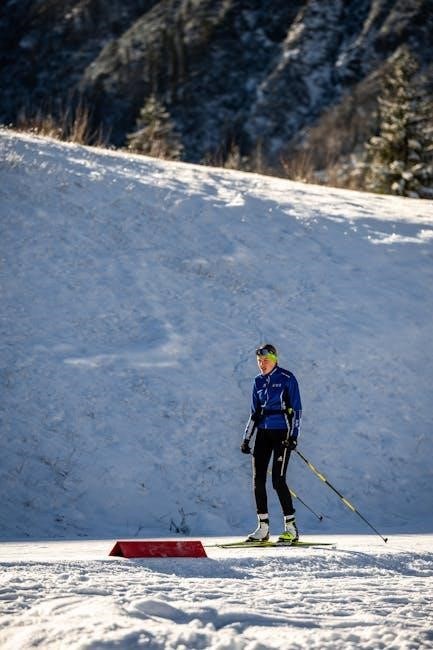
Pole Material and its Effect on Length Perception
Carbon fiber poles feel stiffer, potentially making a given length seem longer, while aluminum offers more flex, creating a perception of shorter length during use.
Carbon Fiber Poles
Carbon fiber poles are renowned for their lightweight nature and exceptional stiffness, offering superior power transfer during the pole plant. This rigidity can sometimes make a carbon pole feel longer than an equivalent aluminum pole, influencing a skier’s perception of optimal length. Due to their responsiveness, skiers might initially prefer a slightly shorter carbon pole compared to aluminum. However, the reduced swing weight of carbon allows for quicker arm movements and a higher cadence. Consider that higher-end carbon poles often come with a premium price tag, but their performance benefits are significant for dedicated skiers seeking efficiency and speed.
Aluminum Poles
Aluminum poles represent a more affordable and durable option for cross-country skiers, particularly beginners. While heavier than carbon fiber, aluminum offers excellent shock absorption, which can be beneficial on varied terrain. Generally, aluminum poles will feel more forgiving and less stiff than their carbon counterparts. This can mean a skier might initially prefer a slightly longer aluminum pole to achieve the same sense of power and stability. However, the added weight can contribute to fatigue over longer distances, making them less ideal for racing or high-intensity training.
Composite Poles
Composite poles blend aluminum and carbon fiber, aiming to balance performance and affordability. These poles offer a lighter weight than pure aluminum, reducing fatigue during extended skiing sessions, yet retain some of the durability and shock absorption benefits. The carbon fiber content varies, influencing stiffness and price. Skiers might find composite poles a good middle ground, providing a noticeable upgrade over aluminum without the premium cost of full carbon. Sizing with composite poles often mirrors carbon fiber recommendations, prioritizing a length that facilitates efficient technique.
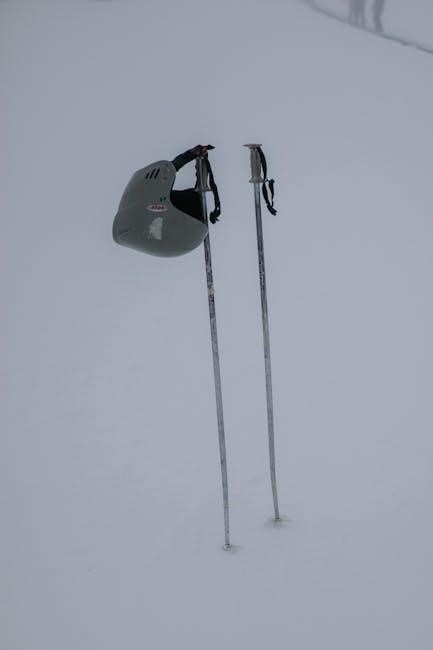
Testing and Fine-Tuning Pole Length
After initial sizing, on-snow testing is vital. Adjust pole length based on feel and technique, ensuring a comfortable and efficient stride for optimal performance.
The 90-Degree Elbow Test
A common starting point for assessing pole length involves the 90-degree elbow test. Grip the pole with the tip planted on the ground, and raise your arm. Ideally, your elbow should form approximately a 90-degree angle. This provides a basic indication of suitable length, though it’s not definitive. Consider that this is a static test; dynamic movement alters optimal length. Adjust accordingly, remembering that technique and terrain significantly influence the ideal pole length for individual skiers. It’s a useful initial check, but on-snow testing remains paramount.
On-Snow Testing and Adjustments
The true test of pole length occurs on the snow. Begin by skiing on varied terrain, paying attention to how the poles feel during different techniques. If you’re consistently overextending or feeling cramped, adjustments are needed. Shorter poles enhance maneuverability, while longer poles provide more power. Small adjustments – a few centimeters at a time – can make a significant difference. Observe your posture and stride; proper pole length supports efficient movement and reduces fatigue. Refine your choice based on personal feel and performance.
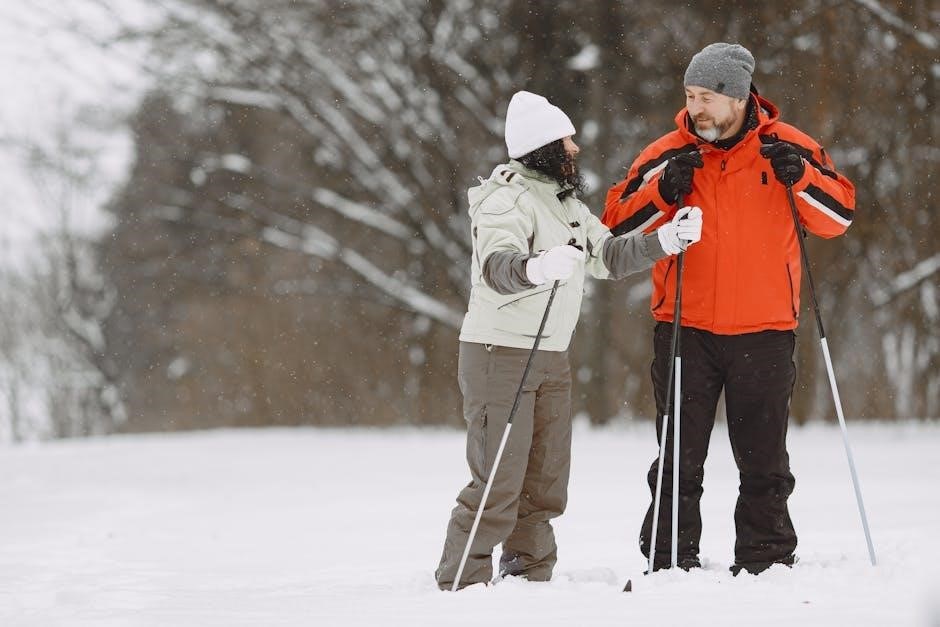
Adjustable Poles: Pros and Cons
Adjustable poles offer versatility for varied terrain and skiers, but may compromise stiffness and reliability compared to fixed-length poles. Consider your needs!
Benefits of Adjustable Poles
Adjustable cross-country ski poles present several advantages, particularly for skiers who frequently encounter diverse terrains or are still refining their technique. They eliminate the need to purchase multiple pairs of poles for different disciplines – classic or skate skiing – offering cost savings. Furthermore, adjustable poles are incredibly convenient for travel, consolidating gear and reducing baggage weight.
Beginner skiers benefit from the ability to experiment with different lengths to discover what feels most comfortable and efficient. Families sharing equipment can also utilize adjustable poles, adapting them to each skier’s height. The flexibility they provide makes them a practical choice for varied conditions and evolving skill levels.
Limitations of Adjustable Poles
Despite their versatility, adjustable cross-country ski poles have drawbacks. Compared to fixed-length poles, they generally offer reduced stiffness, potentially impacting power transfer and responsiveness, especially during aggressive skating. The clamping mechanisms, while improved, can sometimes slip or loosen during use, requiring periodic checks.
Advanced skiers prioritizing peak performance may find fixed-length poles superior for specific techniques. Adjustable poles also tend to be slightly heavier than their fixed counterparts. While convenient, the added weight and potential for flex can be noticeable during long distances or demanding terrain, impacting overall efficiency.
Specific Pole Length Recommendations by Height
Determining ideal pole length hinges on skier height, but ranges exist. Consult charts for personalized sizing, considering both classic and skate skiing disciplines for accuracy.
Height Ranges and Corresponding Pole Lengths (5’0″ ─ 6’0″)
For skiers between 5’0″ and 5’3″, a pole length of approximately 135-145cm is generally recommended. As height increases to 5’4″ ─ 5’6″, consider poles in the 145-155cm range. Individuals measuring 5’7″ to 5’9″ typically benefit from 155-165cm poles. Finally, those standing 5’10” to 6’0″ should explore lengths between 165-175cm.
Remember these are starting points; adjustments are vital based on skiing style and terrain. Beginners may prefer slightly shorter poles for increased control, while experienced skiers might opt for longer poles for a more powerful stride.
Height Ranges and Corresponding Pole Lengths (6’0″ +)
Skiers exceeding 6’0″ in height generally require longer poles for efficient power transfer. For those between 6’1″ and 6’3″, a pole length of 175-185cm is a good starting point. Individuals ranging from 6’4″ to 6’6″ should consider poles measuring 185-195cm. Those taller than 6’6″ may need poles exceeding 195cm.
However, remember that arm length and skiing technique significantly influence optimal pole length. Experienced skiers often prefer slightly longer poles for advanced techniques, while beginners may benefit from a shorter length.
Understanding Pole Grip and Strap Adjustments
Proper grip size and secure strap adjustments enhance control and power transfer. Comfortable grips and well-fitted straps are essential for efficient skiing and preventing fatigue.
Proper Grip Size and Shape
Selecting the correct grip size is paramount for comfortable and effective pole usage. Grips come in various shapes – round, oval, and ergonomic – catering to different hand sizes and preferences; A grip that’s too small can cause discomfort and blisters, while one that’s too large hinders control. Consider the material; cork offers excellent grip and moisture absorption, while synthetic materials provide durability. Ensure your hand fits snugly within the grip without excessive squeezing, allowing for a relaxed yet secure hold during your cross-country skiing adventures. Experiment with different shapes to find what feels most natural for your technique.
Strap Adjustment for Optimal Control
Proper strap adjustment is vital for maintaining control and efficiently transferring power during skiing. Loosen the strap enough to comfortably accommodate gloved hands, but not so much that your hand slips out. Adjust the strap so that your hand enters from above, providing support and preventing wrist strain. A snug, but not constricting, fit allows for a secure connection without hindering pole release during technique changes. Experiment with different tightness levels to find the sweet spot that maximizes control and minimizes fatigue on the slopes.
Pole Baskets and Their Role in Sizing
Baskets prevent poles from sinking too deeply into the snow, impacting balance and technique. Selecting the correct size, based on snow conditions, is essential for optimal pole performance.
Choosing the Right Basket Size for Snow Conditions
Selecting appropriate pole baskets directly correlates with snow conditions, influencing pole penetration and stability. For packed snow, smaller baskets (around 55-70mm) provide sufficient support without excessive sinking. Conversely, deeper, softer snow demands larger baskets (70-105mm or greater) to prevent poles from plunging too far. Powder snow necessitates the largest baskets, maximizing surface area for flotation. Icy conditions may benefit from baskets with carbide tips for enhanced grip. Consider that versatile baskets exist, offering a compromise for varied terrain, but specialized baskets optimize performance in specific snow types, enhancing control and efficiency.
Impact of Basket Size on Pole Penetration
Pole basket size significantly affects how deeply a pole penetrates the snow, impacting technique and efficiency. Larger baskets distribute weight over a wider area, reducing penetration in soft snow and preventing sinking. Smaller baskets, conversely, allow for greater penetration, ideal for packed conditions where a firm plant is crucial. Excessive penetration can waste energy, while insufficient penetration leads to instability. The ideal basket size achieves a balance, providing secure footing without hindering movement. Proper penetration ensures effective power transfer during each stride.
Advanced Pole Sizing Considerations
Experienced skiers adjust pole length for varied terrain and snow conditions, optimizing performance on uphills, downhills, and differing snow types for efficiency.
Sizing for Uphill and Downhill Terrain
When facing steep inclines, slightly shorter poles provide enhanced stability and prevent excessive arm fatigue during the demanding uphill climb. Conversely, on descents, extending pole length offers greater control and leverage for maintaining balance and navigating turns effectively. Experienced skiers often carry adjustable poles to adapt to changing conditions. Consider that powder snow necessitates longer poles for improved flotation and stability, while icy conditions may benefit from slightly shorter poles for increased precision and control. Ultimately, adapting pole length to the specific terrain maximizes efficiency and minimizes the risk of falls.
Sizing for Different Snow Types (Powder, Packed, Icy)
Powder snow demands longer poles, typically 5-10cm beyond standard sizing, to enhance flotation and prevent sinking, aiding in efficient gliding. Packed snow allows for standard pole lengths, providing a balanced feel and optimal power transfer; Icy conditions often benefit from slightly shorter poles, increasing control and precision during each stride, minimizing slippage. Adjustable poles are invaluable here. Consider basket size too; wider baskets are crucial in powder, while narrower ones suit packed or icy surfaces. Adapting to snow type optimizes technique and enjoyment.
Common Mistakes in Pole Sizing
Frequently, skiers choose poles too short, hindering power transfer, or too long, compromising control. Incorrect sizing leads to inefficient technique and increased fatigue during skiing.
Choosing Poles That Are Too Short
Selecting poles that are too short significantly impacts your cross-country skiing technique and efficiency. A shorter pole length forces you to bend excessively at the waist, reducing your power output during the pole plant phase. This can lead to quicker arm fatigue and a less effective stride. Furthermore, shorter poles diminish your ability to generate sufficient propulsion, especially on flatter terrain or during faster skating strides. It compromises your overall balance and control, making it harder to maintain a consistent rhythm and navigate varied snow conditions effectively. Ultimately, inadequate pole length hinders performance and enjoyment.
Choosing Poles That Are Too Long
Opting for cross-country ski poles that are too long presents its own set of challenges, hindering proper technique and potentially causing injury. Excessively long poles require excessive reaching and stretching, leading to strain in the shoulders and upper back. This can disrupt your natural arm swing and reduce the efficiency of your pole plant. Moreover, longer poles can make it difficult to maintain balance, particularly on uneven terrain or during dynamic movements like skating. They also increase the risk of catching the pole tip, causing falls or impacting your rhythm.
Resources for Further Information
Explore online sizing calculators and consult with experienced ski professionals for personalized guidance on finding the perfect pole length for your needs.
Online Pole Sizing Calculators
Numerous websites offer convenient pole sizing calculators, utilizing algorithms based on height, weight, skiing style, and terrain preferences. These tools provide a starting point, offering recommended pole lengths as a baseline. However, remember that calculators are estimations; individual variations exist. Popular options include those found on ski equipment retailer websites and dedicated cross-country ski resources. Always cross-reference calculator results with other sizing methods and consider on-snow testing for a truly personalized fit. Utilize these as a helpful guide, but don’t rely on them exclusively for optimal pole selection.
Consulting with Ski Experts
Seeking advice from experienced ski instructors or knowledgeable staff at reputable ski shops is invaluable. Professionals can assess your technique, physical attributes, and skiing goals to recommend the most appropriate pole length. They offer personalized insights beyond generic formulas, considering your specific needs. Expert fitters can demonstrate proper sizing techniques, like the 90-degree elbow test, and explain how pole length impacts performance. Don’t hesitate to schedule a fitting session; their expertise ensures a comfortable and effective skiing experience, maximizing enjoyment on the trails.
Leave a Reply
You must be logged in to post a comment.