
assimil arabe sans peine 2006 pdf
This 2006 PDF edition of Assimil Arabe Sans Peine offers a compact, user-friendly guide for learners seeking a smooth Arabic introduction. It blends concise lessons, cultural notes, and practical dialogues, making it ideal for self-paced study and quick reference. Perfect for beginners and try
What is Assimil Arabe Sans Peine?
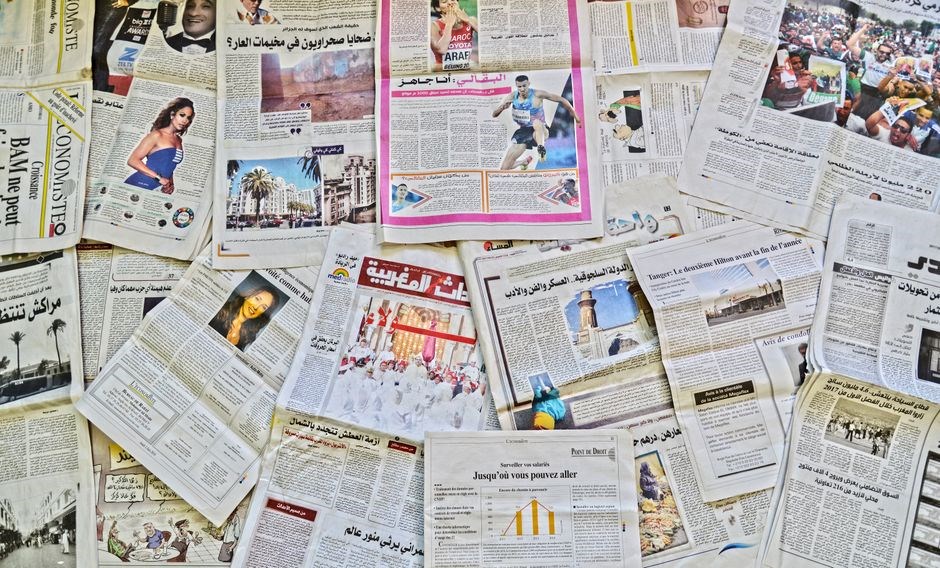
Assimil Arabe Sans Peine is a language learning program that focuses on teaching Arabic through a structured, immersive approach. Designed to be “without pain,” it emphasizes natural acquisition by presenting phrases and dialogues in context, allowing learners to absorb the language intuitively. The course is divided into short, daily lessons that gradually build vocabulary, grammar, and conversational skills. Each lesson introduces new words and expressions, followed by explanations and practice exercises that reinforce understanding. The program’s methodology relies on repetition, active recall, and gradual exposure to increasingly complex material, ensuring that learners develop a solid foundation before moving on to more advanced content. In addition to textual content, the course offers audio recordings that match the lessons, enabling users to hear native pronunciation and intonation. This multimodal design caters to various learning styles, making it suitable for self‑study, classroom use, or supplementary practice. The 2006 PDF edition consolidates all lessons into a single, portable file, making it convenient for on‑the‑go learning and offline access. It also includes cultural notes that provide context for everyday usage, helping learners navigate social situations with confidence. Overall, Assimil Arabe Sans Peine serves as a comprehensive, beginner‑friendly resource that balances linguistic rigor with user‑friendly delivery. It is ideal for learners who prefer daily structured approach.
Why the 2006 Edition Matters
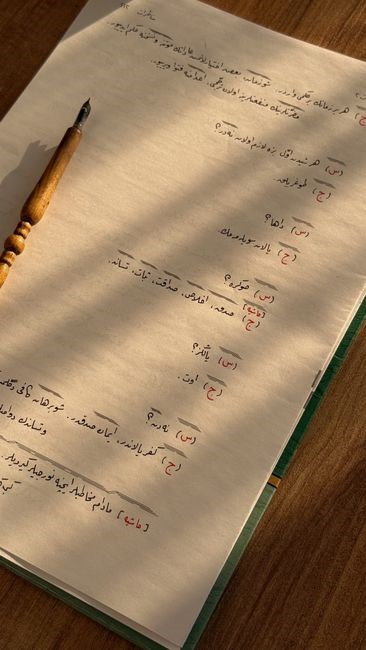
When the 2006 edition of Assimil Arabe Sans Peine was released, it marked a pivotal moment in Arabic language instruction. The curriculum was redesigned to align with contemporary teaching methodologies, emphasizing immersive exposure over rote memorization. By weaving everyday dialogues into a structured learning path, the edition provides learners with contextual anchors that facilitate natural language acquisition. The inclusion of updated cultural notes reflects the evolving dynamics of Arabic‑speaking societies, offering insights into modern etiquette, regional variations, and everyday customs that were previously absent. Technologically, the PDF format represents a leap forward, enabling offline access on a wide range of devices, from laptops to smartphones. The file’s modest size—generally under 10 MB—ensures that learners in bandwidth‑constrained environments can still benefit from the material. Audio tracks were also refreshed, featuring native speakers with clear, contemporary pronunciation that mirrors real‑time conversation. This audio‑visual synergy reinforces listening skills and pronunciation accuracy, bridging the gap between textbook theory and practical usage. The 2006 edition’s structured progression from basic sentence construction to nuanced idiomatic expressions provides a scaffold that builds confidence incrementally. Learners can track their advancement through clearly defined milestones, fostering motivation and a sense of accomplishment. Finally, the edition’s focus on cultural context equips students with the social tools necessary to navigate diverse Arabic‑speaking settings with confidence and respect. For anyone serious about mastering Arabic, the 2006 edition remains a cornerstone resource that balances pedagogical rigor with user‑friendly design.

Overview of the PDF Format
The PDF edition of Assimil Arabe Sans Peine 2006 is lightweight, typically under 5 MB, making it easy to download and use on any device. It supports zoom, bookmarks, and full-text search, allowing learners to navigate lessons quickly and efficiently. Layout with clear headings boosts readability
File Size and Compatibility
The 2006 PDF version of Assimil Arabe Sans Peine is designed for optimal portability and ease of use across a wide range of devices. With a file size typically hovering around 4.2 MB, it strikes a balance between comprehensive content and lightweight distribution, ensuring quick download times even on slower connections. This modest size also means the PDF can be stored on smartphones, tablets, and laptops without consuming significant storage space, making it convenient for learners on the go. Compatibility is a key strength: the file opens seamlessly on major operating systems—including Windows, macOS, Linux, iOS, and Android—using standard PDF readers such as Adobe Acrobat Reader, Preview, Foxit, and the built‑in browsers on mobile devices. The document’s structure is optimized for both portrait and landscape orientations, with adjustable zoom levels that preserve legibility of Arabic script and accompanying transliterations. For users who prefer e‑ink displays, the PDF renders crisply on devices like Kindle Paperwhite and Kobo, thanks to its vector-based text and scalable images. Accessibility features are also incorporated; the PDF supports screen readers, allowing visually impaired learners to navigate the lessons through auditory cues. Additionally, the file’s metadata includes language tags and author information, facilitating integration with learning management systems and digital libraries. Overall, the combination of a small footprint, cross-
Accessibility Features and Tools
The 2006 PDF edition of Assimil Arabe Sans Peine incorporates a suite of accessibility options that make learning Arabic approachable for users with diverse needs. The document is tagged, meaning the PDF structure is fully recognized by assistive technologies such as JAWS, NVDA, and VoiceOver. Each page contains logical reading order, with headings, lists, and captions properly defined, allowing screen readers to navigate seamlessly from lesson to lesson. It supports.
Text is selectable and searchable, so learners can quickly locate specific phrases or vocabulary entries. The Arabic script is rendered using Unicode, ensuring accurate representation across platforms. For individuals who prefer larger text, the PDF supports zooming up to 400 % without loss of clarity, thanks to vector graphics and high‑resolution fonts. Additionally, the file includes embedded bookmarks that link directly to daily lessons, grammar sections, and vocabulary lists, enabling rapid jumps without scrolling.
For those with visual impairments, the PDF offers a high‑contrast mode when opened in compatible readers, and it can be converted to Braille using specialized software. Audio descriptions are not embedded, but the layout is designed to accommodate external audio tracks, allowing learners to pair the PDF with the official Assimil audio files for a multimodal study experience. Overall, the accessibility features ensure that the 2006 edition serves as an inclusive resource for Arabic learners worldwide.

Structure of the Course Content
Each lesson follows a balanced mix of dialogue, translation, and cultural notes, progressing from basic greetings to complex conversations. Vocabulary lists and grammar explanations are interwoven, ensuring contextual learning and retention. Learn daily. Now!
Daily Lessons Breakdown
In the 2006 PDF edition, each day presents a self‑contained unit that blends dialogue, grammar, and vocabulary. The structure is deliberately incremental: Day 1 introduces the Arabic alphabet and basic phonetics, while subsequent days build on that foundation with everyday scenarios—ordering food, asking for directions, and greeting friends. Each lesson is divided into three parts: a short conversation in Arabic, a literal translation, and a paraphrased version that highlights key expressions. Following the dialogue, a concise grammar note explains the underlying rule, such as verb conjugation patterns or gender agreement. Vocabulary lists are grouped by theme and include pronunciation guides, enabling learners to practice new words in context. The PDF also features cultural annotations that explain idiomatic usage and social etiquette, ensuring that learners not only speak but also understand the cultural nuances. By the end of the 30‑day cycle, students have covered essential topics ranging from family and work to travel and leisure, all while reinforcing listening and speaking skills through repeated exposure. The daily format encourages consistency, making it easier to incorporate short study sessions into a busy routine. This systematic progression ensures that each new lesson builds directly on the previous one, creating a solid linguistic foundation that supports confident, fluent communication in Arabic. Practice consistently and enjoy the journey daily.

Grammar and Vocabulary Chapters
The 2006 PDF edition of Assimil Arabe Sans Peine organizes its linguistic material into distinct chapters that focus on core grammatical concepts and thematic vocabulary. Each chapter begins with a concise explanation of the rule—whether it’s the use of definite articles, the formation of past tense verbs, or the agreement of adjectives with nouns—followed by a series of example sentences that illustrate the rule in everyday contexts. Learners can immediately see how abstract grammar translates into practical usage. After the grammar section, a vocabulary list is presented, grouped by semantic field such as family, food, or travel. The list includes the Arabic term, its transliteration, and a short definition in English, allowing students to build a mental lexicon that is both accurate and contextually relevant. To reinforce retention, the chapter ends with a short exercise that asks the reader to construct sentences using the new words and structures. This dual approach ensures that learners not only understand the mechanics of Arabic but also acquire a functional vocabulary that can be applied in real conversations. The chapters are designed to be self‑contained, so progress can be tracked easily, and the material can be revisited without confusion. By the end of the course, students will have a solid grasp of foundational grammar and a versatile vocabulary base, preparing them for more advanced study or practical communication. Students who consistently review these chapters will find that the combination of systematic grammar instruction and vocabulary exposure creates a robust foundation, enabling them to navigate both written texts and spoken interactions with confidenceand sensitivity.

Audio and Pronunciation Resources
Audio tracks accompany each lesson, offering native pronunciation and rhythmic listening. The PDF links to MP3 files, allowing learners to play, pause, and repeat phrases. Integrating audio with reading reinforces correct intonation, stress, and natural flow, enhancing retention. Listen closely!
Downloading and Using the Audio Tracks
Downloading the audio companion for the Assimil Arabe Sans Peine 2006 PDF is simple. Visit the publisher’s official site and locate the ZIP archive containing MP3 files for each lesson. Click the “Download” button, then unzip the folder with a tool like 7‑Zip. Inside, you’ll find a clear structure: a main “Audio” folder with subfolders named after each lesson number, each holding a single MP3 (e.g., “Lesson01.mp3”). Open the MP3 in your default media player or transfer the files to a mobile device via USB or cloud storage. For a seamless study routine, load the MP3s into a playlist in iTunes, VLC, or Windows Media Player, allowing you to play lessons sequentially or jump to specific ones. If you prefer to read while listening, use a PDF reader that supports audio attachments; clicking the icon next to a lesson will play the recording without leaving the document. Keep the audio files in a dedicated folder for easy access. Regularly listening to the tracks reinforces pronunciation, improves listening comprehension, and helps internalize Arabic phonetics. Combine audio practice with written review to strengthen memory and build confidence in speaking and reading. Consistent use of the audio companion accelerates language acquisition and makes learning Arabic more engaging and effective!!
To enhance learning, set a daily schedule: spend 15 minutes listening to a lesson before reading the PDF, then 10 minutes reviewing the text. Use the audio to catch subtle vowel sounds and intonation. Afterward, write down new vocabulary and practice speaking aloud. This routine builds muscle memory and boosts retention!!!!
Synchronizing the Assimil Arabe Sans Peine 2006 PDF with its audio tracks creates a dynamic learning loop. Begin by opening the PDF in a reader that supports embedded media, such as Adobe Acrobat Reader DC or Foxit Reader. Locate the audio icon next to each lesson; clicking it launches the MP3 in a separate window or the system’s default player. While the recording plays, scroll through the PDF, pausing when a new phrase appears. This real‑time alignment lets you hear the exact pronunciation of unfamiliar words and immediately see their written form, reinforcing dual‑modality memory. For deeper immersion, use the “Read Aloud” feature in the reader to have the PDF text spoken aloud, then compare the synthetic voice to the original audio track. Create a custom playlist by dragging lesson MP3s into a media player, then use the bookmark function to mark PDF pages. When you revisit a lesson, jump to the bookmarked page and replay the audio to ensure consistency!! Additionally, many PDF readers let you annotate while listening; highlight key phrases, underline new vocabulary, and add sticky notes with pronunciation tips. Over time, this workflow trains your ear, sharpens reading speed, and builds confidence in Arabic. Consistency is key: set a daily 20‑minute session, alternating between listening and reading, and track progress in a study log. By weaving audio cues into the PDF experience, learners transform passive reading into active, multisensory practice that accelerates fluency and retention.
Study Tips and Integration Strategies
Use the PDF’s daily lessons as anchors; read aloud, then replay audio to match intonation. Schedule 15‑minute review blocks, noting new words in a notebook. Pair each lesson with flashcards for spaced repetition, and track progress with a chart. Now!

Effective Reading and Listening Practices
Begin each session by skimming the PDF lesson to locate key phrases and new vocabulary. Read the text aloud, matching the rhythm of the accompanying audio track. Pause after every sentence, repeat the line, and note pronunciation nuances. Use a high‑quality speaker or headphones to capture subtle vowel shifts.
- Active Listening: Play the audio twice—first for general comprehension, second for detailed phonetic analysis.
- Shadowing Technique: Repeat after the speaker, mimicking intonation and pacing to internalize natural flow.
- Note‑Taking: Write down unfamiliar words, their meanings, and example sentences in a dedicated notebook.
- Review Cycle: Revisit the lesson after 24 hours, then again after a week to reinforce retention.
Integrate spaced repetition by revisiting the PDF’s vocabulary list daily, using flashcards or a mobile app. Pair each new word with an image or context sentence to create vivid mental anchors. Consistency is key: allocate 15–20 minutes daily, ensuring you alternate between reading, listening, and speaking.
Remember to review the PDF’s cultural notes after each lesson; they provide context for idiomatic expressions and help avoid literal mistranslations. Additionally, practice writing short diary entries in Arabic, using the new vocabulary, to reinforce memory through active recall daily, now.
Tracking Progress and Setting Goals
Set a clear timeline: 30 days for the first 10 lessons, 60 days for the next 20, and so on. Use a progress chart in the PDF’s margin or a separate spreadsheet to tick completed lessons. Record daily study hours and note any difficulties. After each milestone, evaluate comprehension by retaking the audio without visual aid. Adjust goals based on performance: if you can repeat a lesson verbatim, aim for a higher difficulty level; if you struggle, allocate extra review sessions. Incorporate SMART criteria—Specific, Measurable, Achievable, Relevant, Time‑bound—to keep objectives realistic. Review your goals weekly, updating them to reflect growth. Celebrate small victories, such as mastering a new verb tense or understanding a cultural reference, to maintain motivation. Keep a reflective journal, noting what study methods worked best and where you need improvement. This iterative process ensures continuous progress and a personalized learning roadmap. Use a digital tracker or a physical notebook to log each lesson’s completion time and any new insights. After finishing a chapter, quiz yourself on key phrases and write them down. Schedule a weekly review session where you revisit earlier lessons to reinforce memory. Consider pairing the PDF with a language exchange partner to practice speaking. Finally, set a long‑term milestone such as holding a 5‑minute conversation in Arabic by the end of the course. Remember to celebrate small wins; they boost confidence drive!
Leave a Reply
You must be logged in to post a comment.